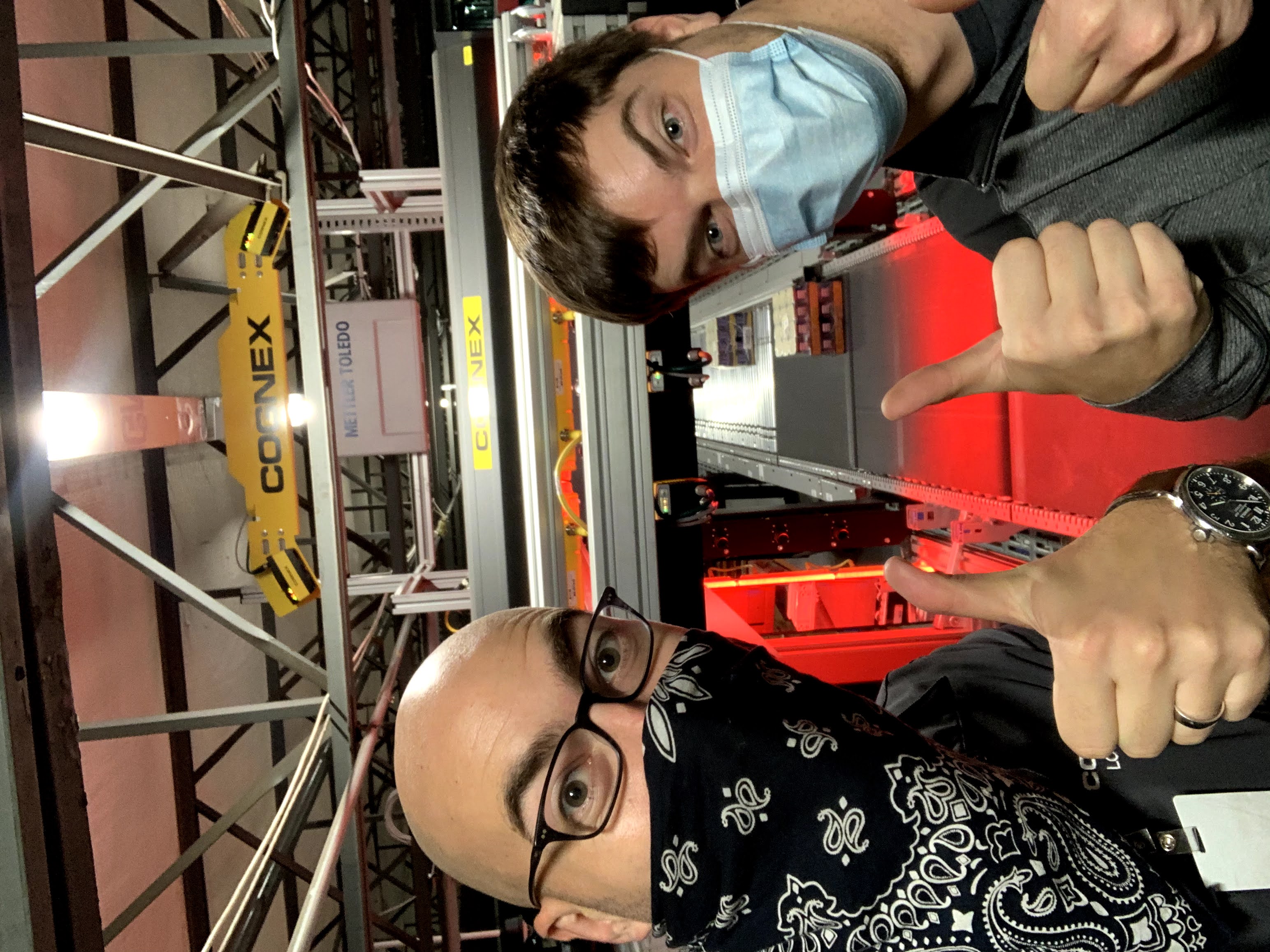
Part of my work at Cognex
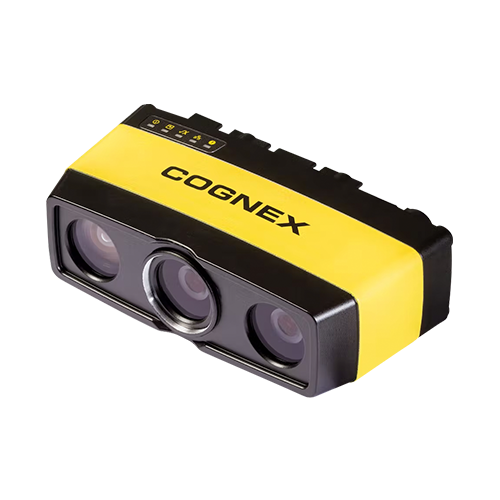
3D-A1000
Designed a 3D vision camera, then launched it into a new market — $0 to $10M
The Engineering
I was the lead opto-mechanical engineer on the 3D-A1000 at Cognex — the world's leading machine vision company. I designed the full camera system from scratch: optics, illumination, and autofocus mechanisms. Two contractors worked under my direction on mechanical design, but the core system was mine to own.
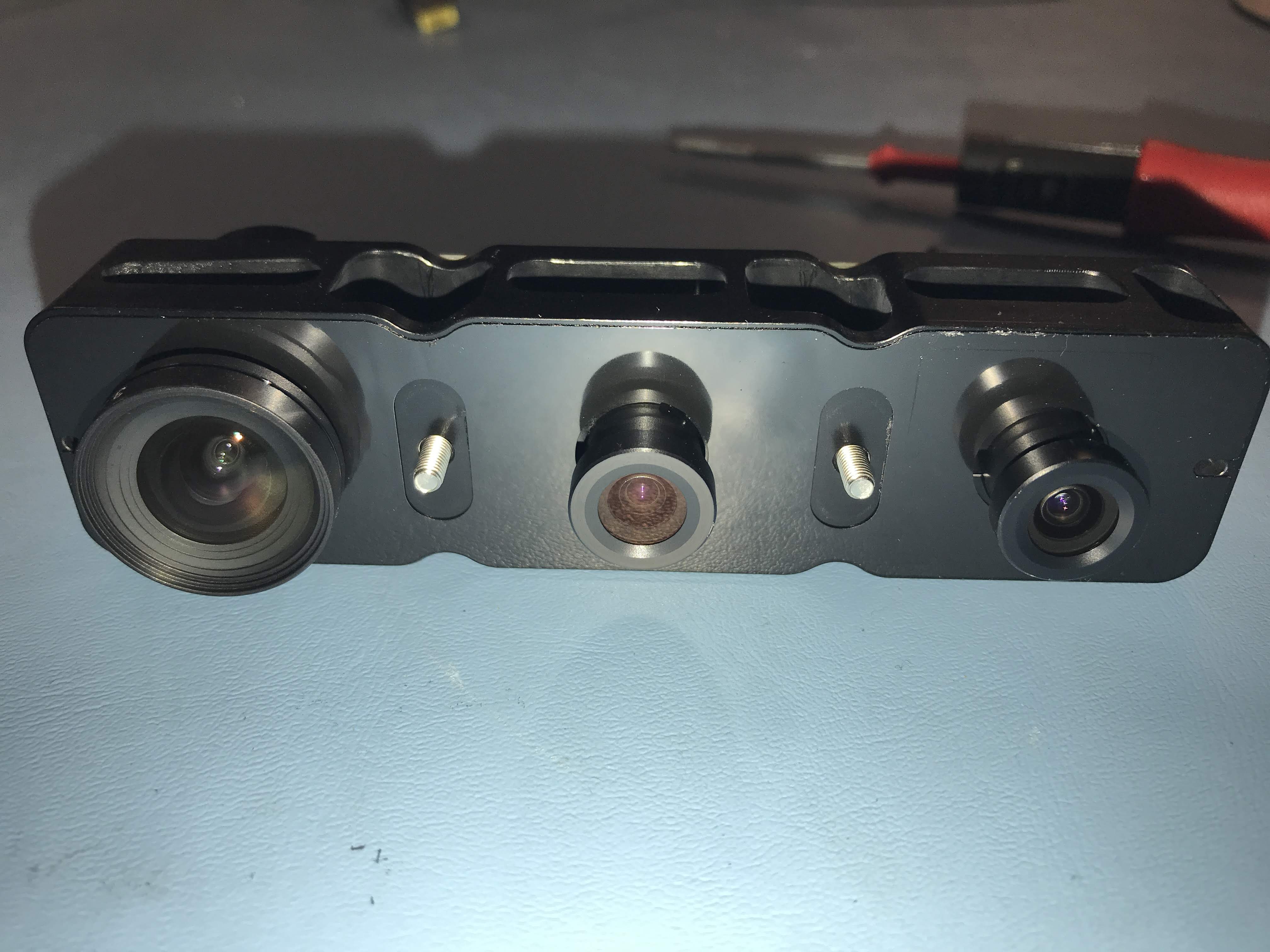
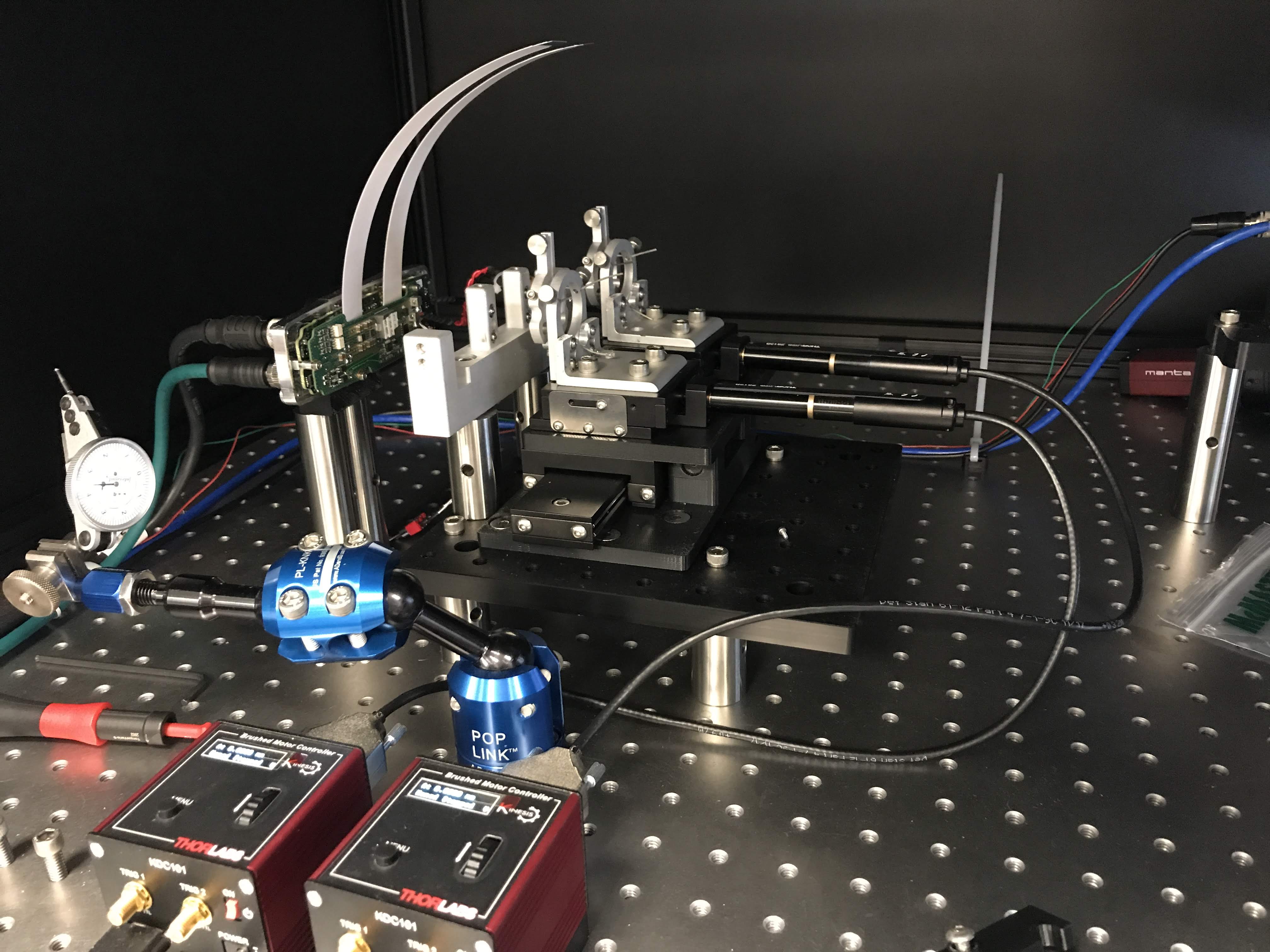
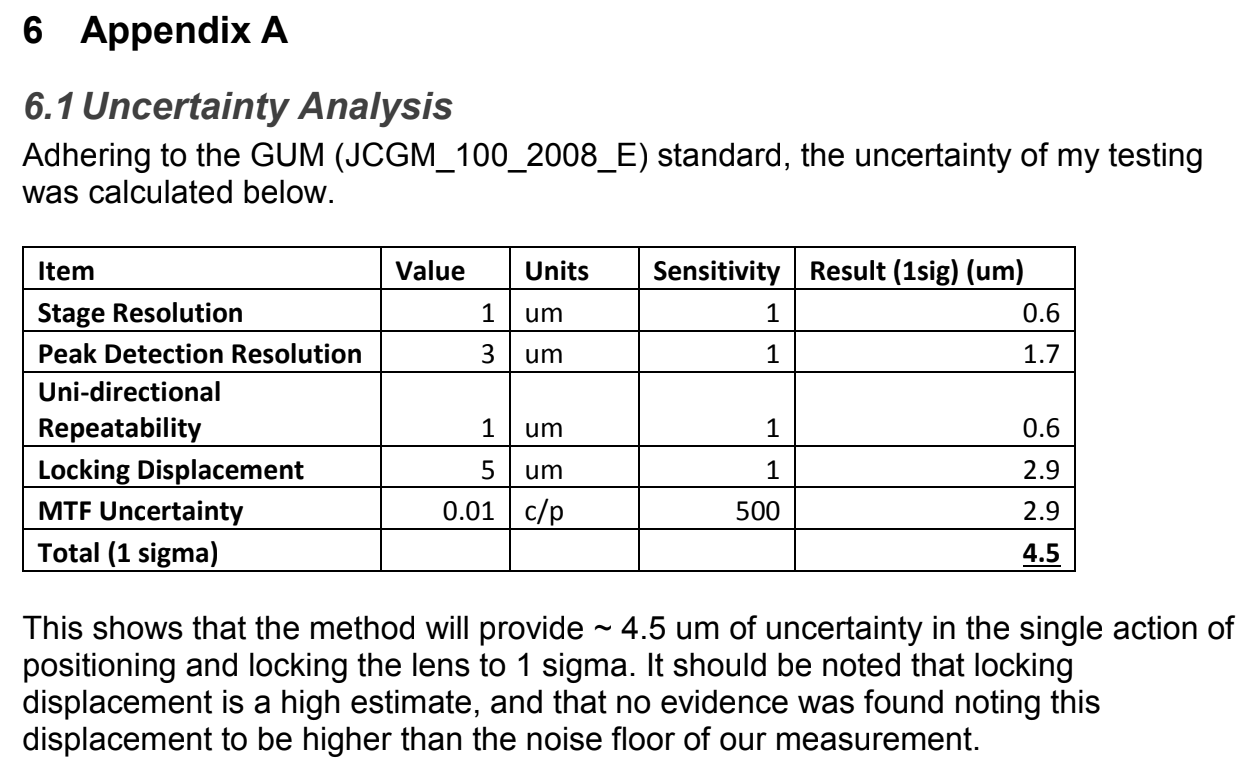
One example of the depth: the camera needed a focusing method that held precision at the micron level. Before prototyping anything, I'd work through the engineering fundamentals in spreadsheets — uncertainty analysis following GUM standards to make sure what I was about to build would actually work.
Then validate empirically. These are focus sweep measurements comparing real contrast data against Zemax optical simulations, trimmed to the aliasing zone, and hysteresis testing to prove the locking mechanism held position.
This wasn't just a single product. Across my time in engineering I also designed lights, lenses, and autofocus mechanisms for other camera lines in the portfolio. That breadth gave me a deep understanding of what makes a vision system actually work in the field. Two of my patents came directly from this work.
The Product Pivot
At Cognex, the "Product Marketing Manager" role is really a hybrid PM — there are no dedicated product managers. When I moved into that role for the 3D-A1000, I went from building the camera to owning its future. Same product, completely different job.
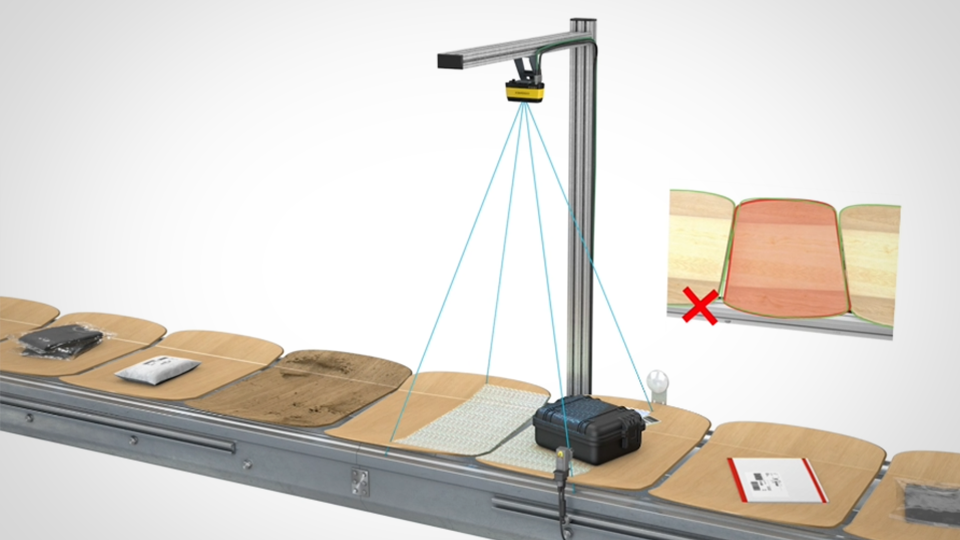
I joined a team that wanted to target vision in logistics — a market that was historically hard for machine vision due to challenges like depth of field, speed, and variability. Think Amazon and Walmart, shipping a billion products per day from a single facility, needing to track, trace, and divert with accuracy at a scale where the difference between 99.9% and 99.99% means millions of dollars per year. It was like joining a startup with the backing of a well-recognized brand.
I also led the effort to get NTEP certification — a required credential for the product to play in the "legal for trade" dimensioning space. That kind of regulatory work isn't glamorous, but it was the difference between a demo and a product logistics companies could actually deploy.
The Launch & Scale
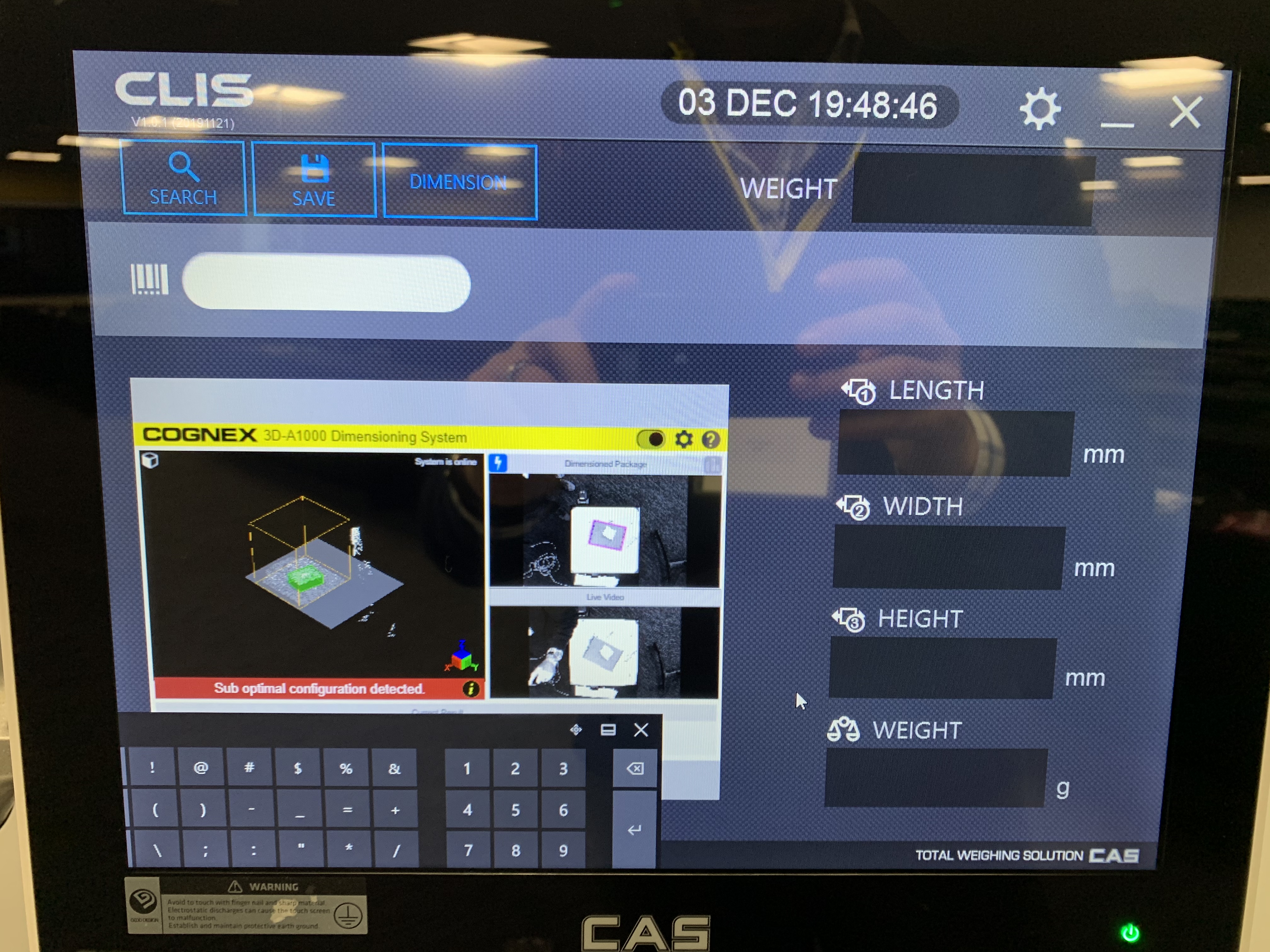
I worked with two software teams to wrap specialized logistics software onto the embedded device, turning a vision sensor into a purpose-built solution for the market. That software layer was the difference between a general-purpose camera and something a logistics operation would actually buy.
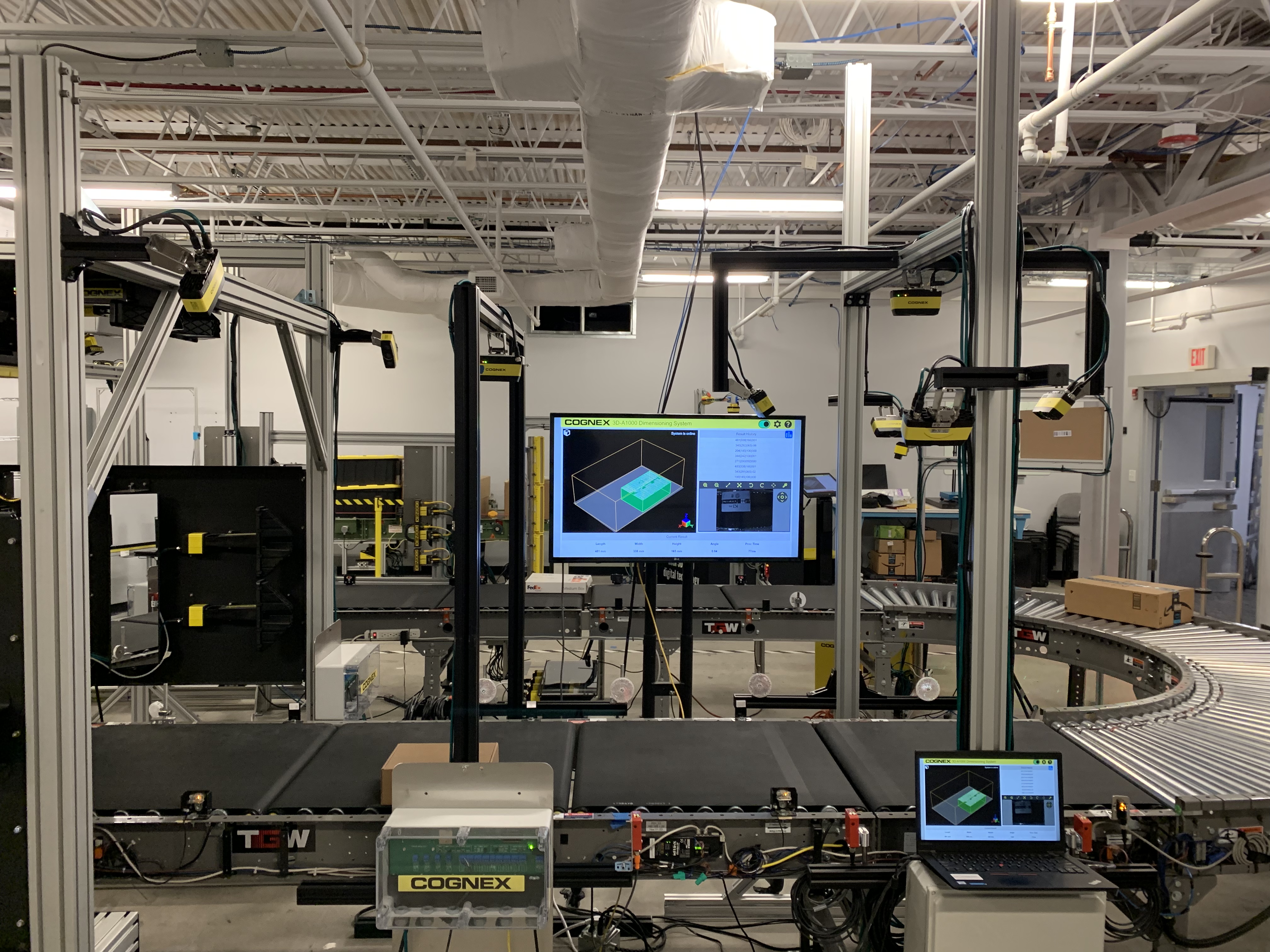
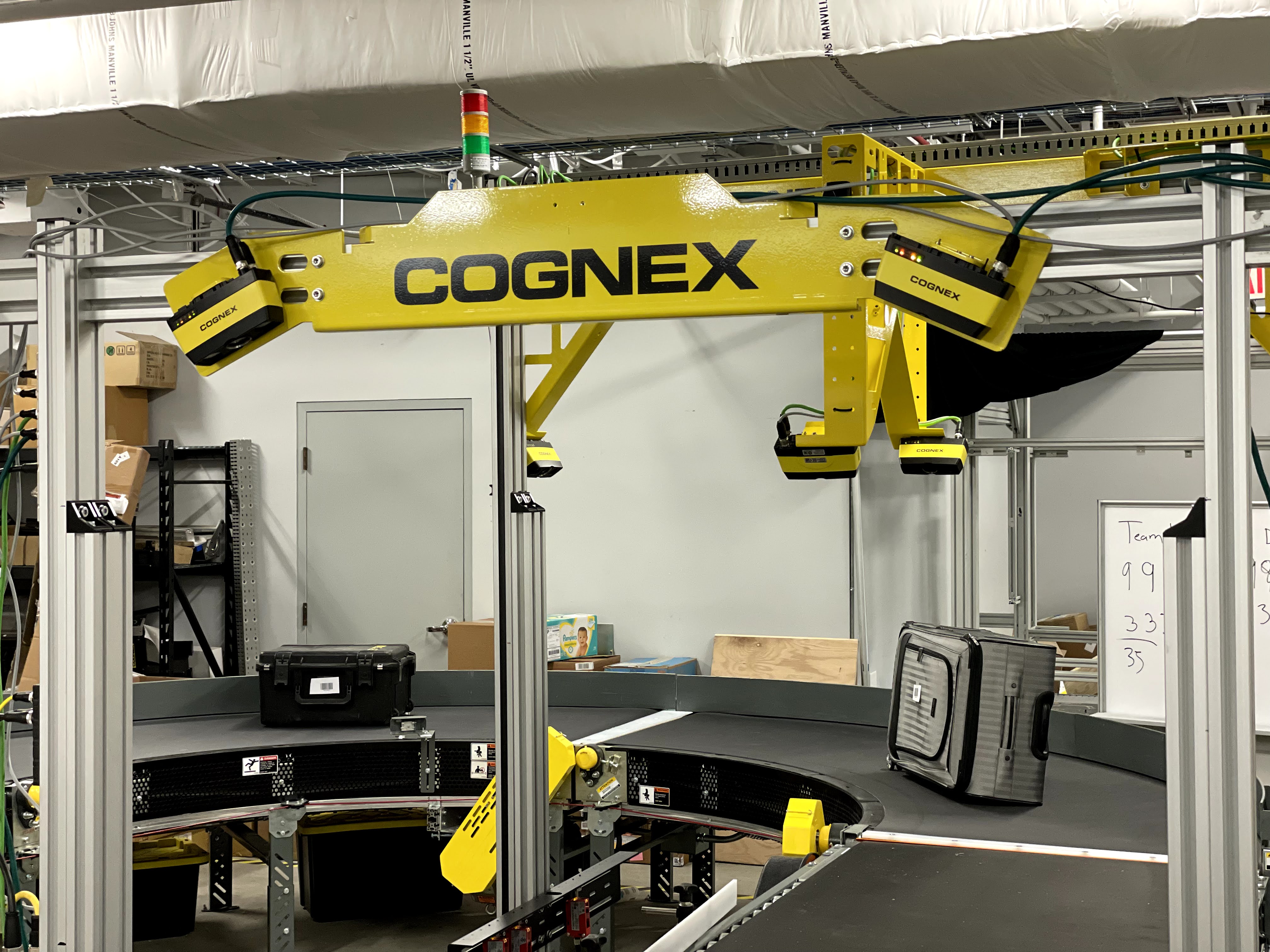
The results came fast. Year one landed around $2M in revenue. Year two roughly doubled to $5M. By year three we were approaching $10M. The products carried over 80% gross margins and had one of the lowest tech support burdens in the Cognex portfolio — because I'd designed the hardware and knew exactly what it needed to work reliably.
What I Learned
The biggest insight from this period: building the right thing matters as much as building it right. I'd spent years mastering the second part. This experience taught me the first.
Engineering gave me credibility. I could walk into a customer conversation and speak precisely about how the system worked, what its limits were, and what it could be made to do. Product gave me leverage — the ability to shape what got built and who it was built for.
That combination is genuinely rare. Most product leaders don't know the hardware. Most engineers don't own the market. I learned to do both, and it's defined how I work ever since.